 Hair AI Salon
The only way to truly know how you'd look with short hair is to see it on your own face — an AI hairstyle simulator renders a pixie, bob, lob or bixie on your photo in seconds. Short hair suits far more people than they expect; the factors that actually decide it are your face shape, your hair's natural texture and density, and how much daily styling you'll realistically do.
The most-regretted haircut, and the most-delayed one
Cutting long hair short is the classic point of no return: if it's wrong you're 12–24 months from where you started. That fear keeps a lot of people in a hairstyle they stopped liking years ago. A photorealistic preview turns a year-long gamble into a thirty-second question.
Short doesn't mean one thing
- Classic Lob — collarbone length. Barely "short", maximum freshness, and the safest first step down.
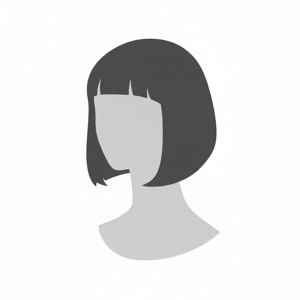 Blunt Bob — a single sharp line at the jaw. Makes fine hair look denser and is pure statement.
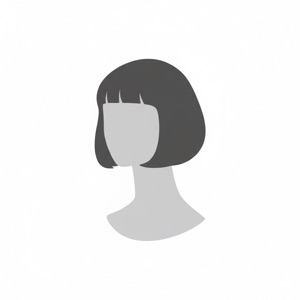 French Bob — jaw-length and softly tousled; the most requested chop of 2026.
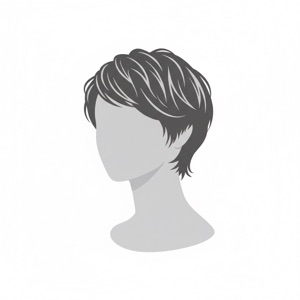 Bixie Cut — the bob-pixie hybrid; short and playful but still soft around the face.
- Textured Pixie — properly short, with piecey texture on top. The lowest-effort cut on this list once you're used to it.
- Buzz Cut — the full commitment. See our buzz cut simulator guide.
What actually decides whether short suits you
- Face shape. Oval carries almost any short cut. Round faces do better keeping length past the jaw or adding height at the crown. Square jaws want softness and layers rather than a blunt jaw-length line. Start with our face shape guide.
- Texture. Wavy and curly hair gains volume as it shortens — often a bonus, sometimes a surprise. Fine straight hair usually looks thicker short.
- Your neck and shoulders, honestly, more than your face — short cuts put both on display.
- Styling reality. Short hair is less time to wash and dry, but more days where it needs actual styling to look intentional.
The growing-out question
Worth knowing before you cut: a pixie takes roughly 12–24 months to return to shoulder length, passing through several awkward stages. A lob or French bob grows back far more gracefully — which is why stylists so often suggest going shorter in stages rather than all at once. You can preview those stages too.
See it on your own face first
Hair AI has every short cut — lob, French bob, blunt bob, bixie, textured pixie — ready to render on your own selfie. Try three lengths in a row and you'll know within a minute whether short is for you.
Frequently asked questions
How can I see what I'd look like with short hair?
Upload a selfie to Hair AI and select any short style — pixie, bob, lob or bixie. The AI regenerates your photo with the cut on your own face, so you're judging the real result rather than a photo of a model.
Does short hair suit everyone?
More people than assume it doesn't. Oval faces carry almost any short cut; round faces do better with crown height or length past the jaw; square faces want soft layers rather than a blunt jaw-length line. Texture and neck length matter as much as face shape.
How long does short hair take to grow out?
A pixie takes roughly 12–24 months to reach shoulder length and passes through several awkward stages. A lob or bob grows out far more gracefully, which is why going shorter in stages is often the smarter route.
Will short hair make my hair look thicker?
Usually yes. Removing length removes weight, so fine hair typically looks fuller short — particularly in blunt-ended cuts like a bob, where the ends stay dense.