 Hair AI Salon
The hair colour that suits you is set by three things: your skin's undertone (cool skin suits ash, platinum and cool browns; warm skin glows with golden, honey, copper and caramel), your natural contrast level, and how much upkeep you'll tolerate. Those rules narrow the shortlist — but the fastest honest answer is to apply the shades to your own photo and look.
Step 1: find your undertone (60 seconds)
In natural daylight, look at the veins on your inner wrist:
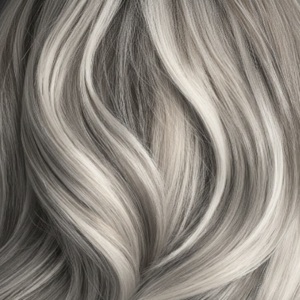
- Blue or purple veins → cool undertone. Silver jewellery tends to suit you. Go for ash brown, cool blonde, platinum, soft black, burgundy.
- Green veins → warm undertone. Gold jewellery suits you. Go for golden blonde, honey, caramel, copper, chestnut.
- A mix, hard to tell → neutral. The lucky ones — nearly everything works, so choose on maintenance and mood.
A second check: hold a pure white shirt to your face, then a cream one. Whichever makes your skin look brighter rather than sallow points to cool (white) or warm (cream).
Step 2: respect your natural contrast
This is the rule most people miss. Contrast is the gap between your hair, skin and eyes. If you have fair skin and near-black hair, you're high-contrast and can carry dramatic colour. If your colouring is soft and blended — light brown hair, hazel eyes, medium skin — a very dark or very light shade can overwhelm your features rather than flatter them. Staying within about two shades of your natural depth keeps contrast intact and is also far kinder to your hair and your calendar.
Step 3: match a real shade
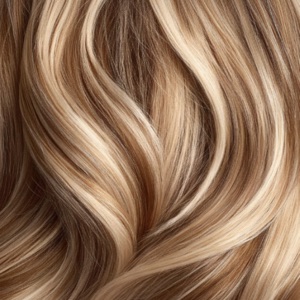
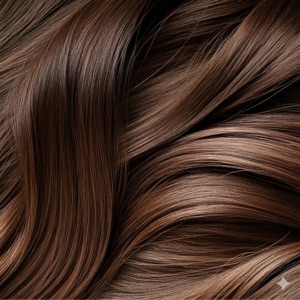
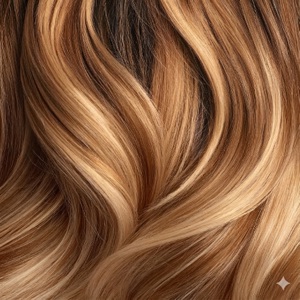
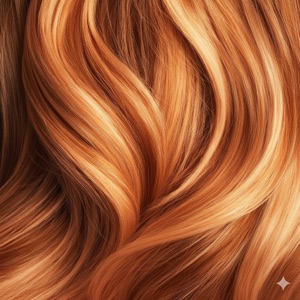
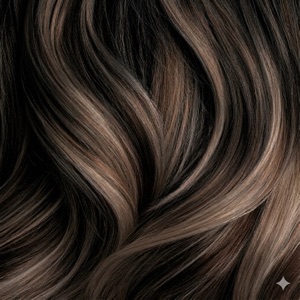
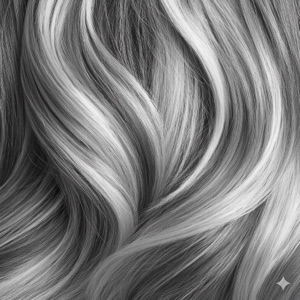
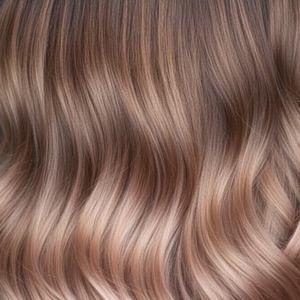
These are actual swatches from the Hair AI colour changer — each one can be applied to your own photo:
Why a photo preview beats a colour chart
A box swatch shows pigment, not outcome. The colour you actually end up with depends on your starting shade, your hair's porosity, the lighting you live in and your skin next to it. An AI colour changer sidesteps all of that: it regenerates your photo with the new shade behaving like real hair — root depth, shine, shadow — so you're judging the result rather than the ingredient. Screenshot the winner and your colourist has an exact target instead of a vague description.
Test the in-between steps too
If you're brunette dreaming of platinum, preview the stops along the way — caramel balayage, honey blonde, bronde. People are frequently surprised that a halfway shade suits them better than the destination, and it costs a fraction of the money, time and damage.
See it on your own face first
Hair AI's colour changer has 36 shades — natural browns through to pastels — each applied photorealistically to your own photo with a before/after slider. You can also describe a custom shade in plain words, like “dark copper with a money piece”.
Frequently asked questions
How do I know what hair colour suits me?
Check your undertone (wrist veins: blue = cool, green = warm), stay within about two shades of your natural depth for the safest result, then confirm visually by applying candidate shades to your own photo. Undertone theory narrows the list; your eyes make the call.
What hair colour suits pale skin?
Pale skin with cool undertones suits ash blonde, platinum, cool brown and soft black; pale skin with warm undertones suits golden blonde, strawberry, copper and caramel. Very dark shades on very fair skin create high contrast — striking, but less forgiving.
Is there a free tool to see what hair colour suits me?
Yes — Hair AI is free on iOS and Android and includes free credits. Upload one selfie and apply any shade to your own hair. See our hair colour try-on guide for how it works.
Should I go lighter or darker?
Darker is almost always the lower-risk direction: it's less damaging, cheaper and grows out more gracefully. Going lighter — especially more than two shades — means bleach, regular root maintenance every 4–8 weeks, and more attention to hair health.